Lightweight Camping Chair


You’re viewing 1-1 of 1 products
Lightweight Camping Chair
Whether tackling an epic hiking trail or planning a relaxing day beside the lake, your gear needs to work as hard as you do. A great lightweight camping chair isn’t just about shaving ounces. It's about maximizing comfort, portability, and durability—without ever slowing you down. Let’s break down what sets the best apart.
Portability: Carry Comfort, Not Bulk
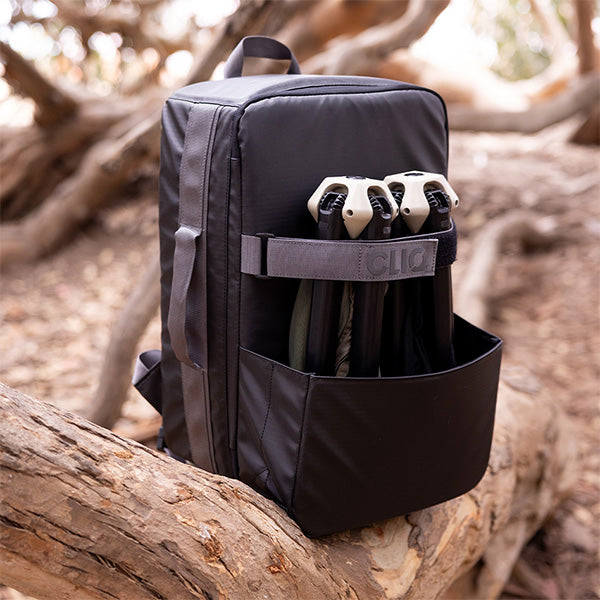
A truly exceptional camping chair keeps packing simple. Look for chairs that fold to a minimal footprint, preferably compact enough to nestle in a side pocket or lash discreetly to your backpack. The best designs combine featherlight materials with intuitive folding systems, offering you comfort on the go without cluttering your load.
Durability: Built For the Wild
Your adventures demand seating that withstands the elements. High-strength materials such as aircraft-grade aluminum and ripstop nylon are favorites for their remarkable balance of weight and resilience. Edit out any chair lacking weather resistance or the ability to handle rough terrain—a worthy companion should always rise to the challenge.
Ease Of Use: Quick Setup For Every Adventure
Nothing derails the spirit of adventure like wrestling with complicated instructions. Seek chairs that set up in seconds, ideally with a one-step mechanism. When you're at the trailhead, campsite, or beach bonfire, a fast and frustration-free setup lets you focus on the experience, not your equipment.
Support & Comfort: Sit Back—Anywhere
Minimal weight shouldn’t mean sacrificing comfort. An innovative chair will distribute your weight evenly, offer ergonomic support, and provide stability, even on less-than-ideal outdoor surfaces. Features like breathable mesh panels, supportive backs, and generous weight capacities distinguish between a pit stop and a place you’ll linger.
CLIQ Lightweight Camping Chairs: The Ultimate Outdoor Companion
When finding the best lightweight camping chair, we’re not just checking boxes—we’re solving problems. CLIQ isn’t just another compact seat. We represent the sweet spot where portability, durability, and all-day comfort meet.
Whether you’re headed off-grid, relaxing oceanside, or need a chair that won’t hog trunk space, we’re built to go where you go, with zero compromise. Let’s walk through what makes our lineup fit for every type of camper or outdoor enthusiast:
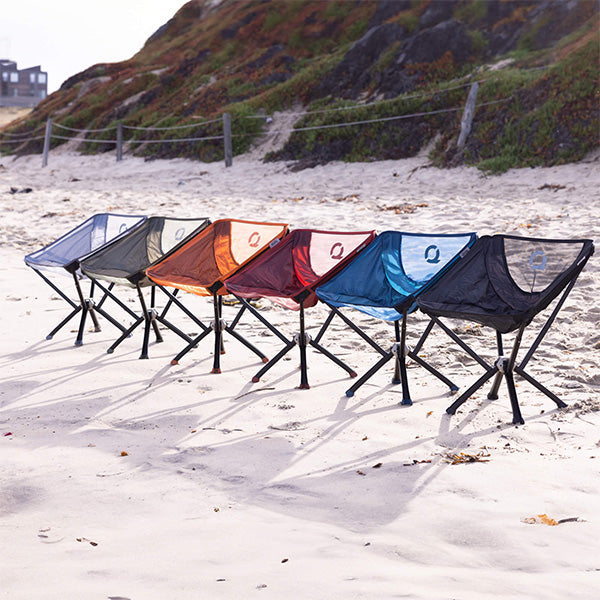
ClassiQ Chair: Lightweight Camping, Maximum Portability
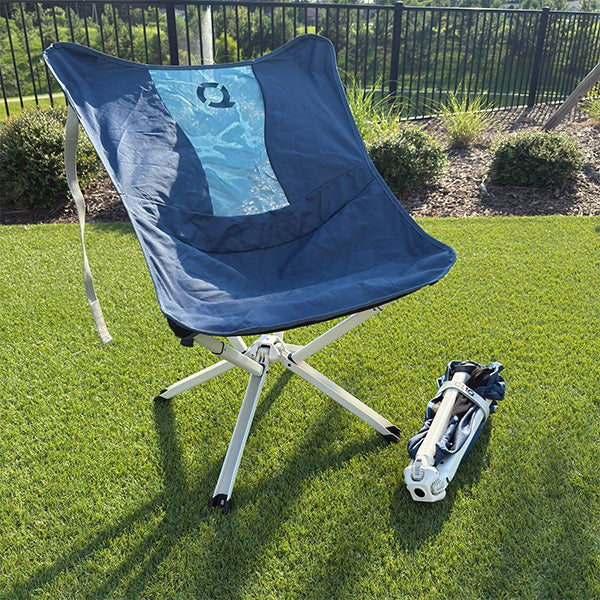
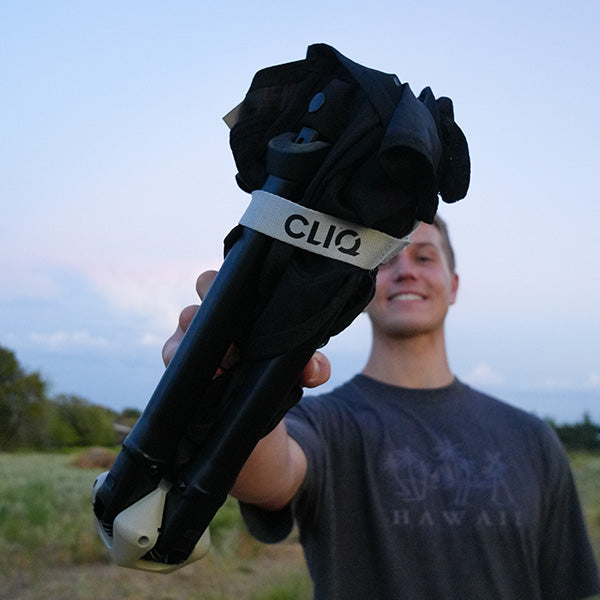
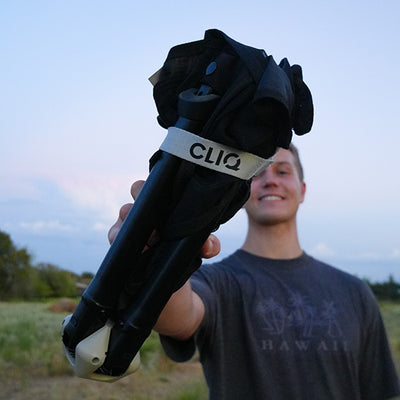
Weighing less than 4 pounds and folding down to the size of a water bottle, the ClassiQ is made for campers who move fast and travel light. It sets up in 15 seconds, supports up to 400 lbs, and is built from aircraft-grade aluminum and ballistic nylon for serious durability in a small package. Toss it in your backpack, keep one in your trunk—this is your anytime, anywhere chair.
Riviera Lounge: Packable Ease for Patios, RVs, and Anywhere You Unwind
Compact, low-profile, and effortlessly packable, the Riviera Lounge is the perfect addition to your RV setup or patio space. Designed for easy storage and quick setup, it offers a sturdy yet relaxed seating option that doesn’t compromise on comfort. Whether you're unwinding under the awning or maximizing your outdoor living space, the Riviera Lounge brings home-like ease wherever you park.
EpiQ Lounge: Comfort-First Camping Without The Bulk
Need something more plush without the weight? The EpiQ Lounge is our premium, full-size solution that doesn’t compromise portability. With added back support and more space to settle in, this chair is ideal for long sits at the campsite, RV setups, and backyard fires. It folds down fast, travels light, and delivers comfort that lasts.
MystiQ Lounge: Lightweight Style for Sand, Surf, and Sun
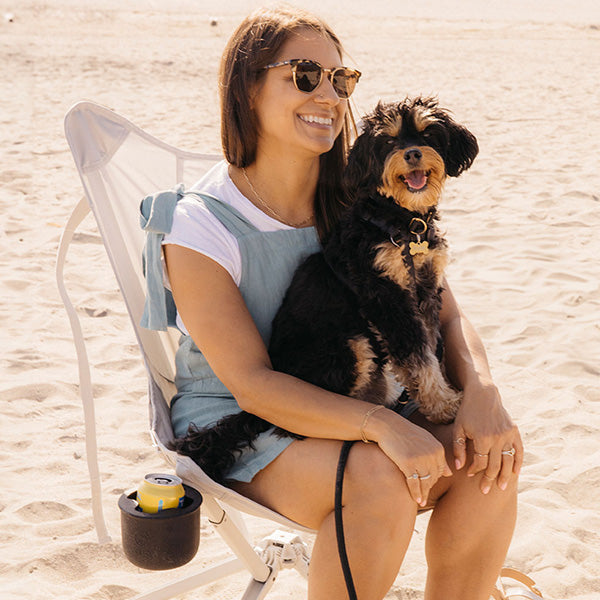
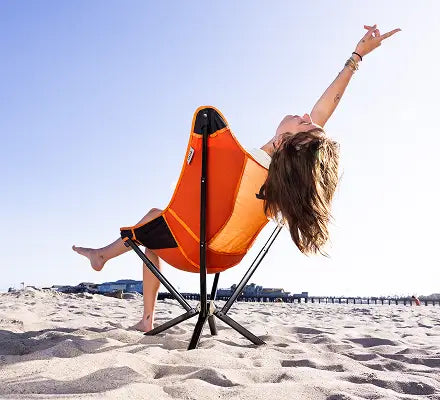
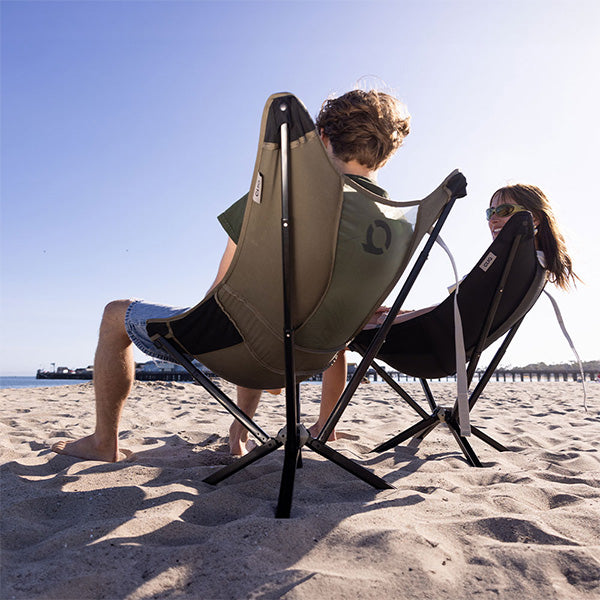
Looking for a beach chair that’s as stylish as it is practical? The MystiQ Lounge brings a sleek, modern silhouette to your shoreline setup—without skimping on packability. Lightweight, compact, and easy to carry across sand, it’s perfect for sunset sessions, surf breaks, and seaside lounging. With MystiQ, beach days get a serious design upgrade.
Every outdoor adventure deserves gear to keep up, and the right chair comforts unexpected places. Whether in the wilds of a national park or sprawled under a shoreline sunset, a lightweight camping chair is an indispensable companion. Here’s where its potential truly comes alive.
At The Campsite: Your Anchor Of Comfort
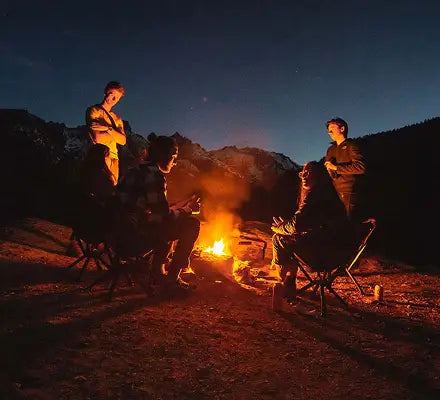
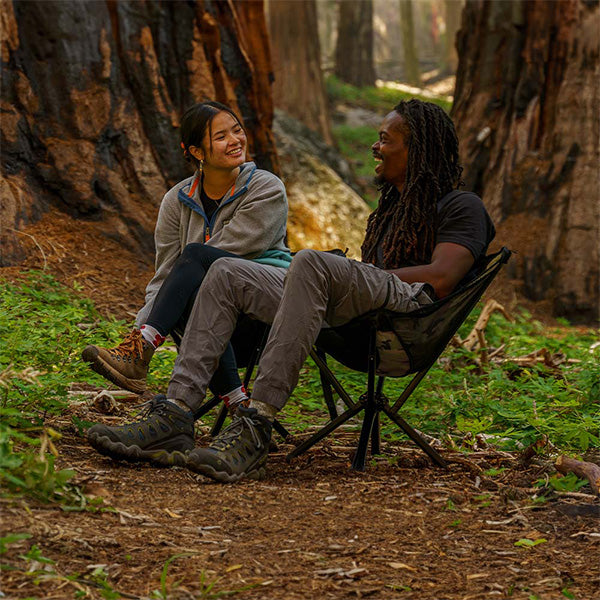
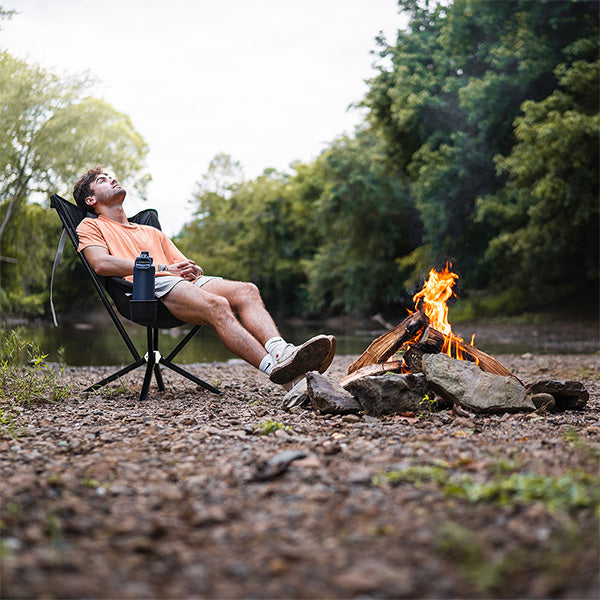
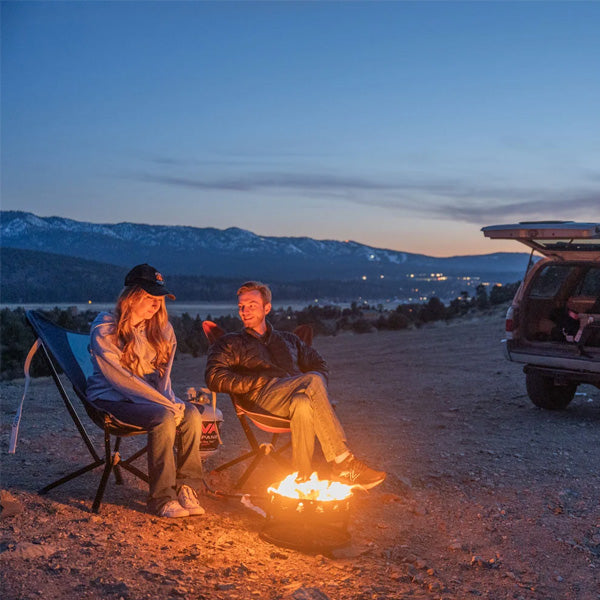
After a long hike, nothing beats the feeling of unfolding your chair by the campfire. Use it as your go-to spot for cooking meals, sharing stories, or simply unwinding under the stars. Its compact design means you can easily move it around the site—from the sunrise vantage point to the evening fire ring—without breaking a sweat.
On The Hiking Trail: Rest Without The Bulk
Day hikes and multi-day treks demand efficiency. A lightweight chair packs down small, letting you recharge at scenic overlooks without adding unnecessary weight to your pack. Quick setup and takedown allow you to seize moments of rest wherever and whenever you find inspiration on the trail.
At Festivals And Outdoor Events: Elevate The Experience
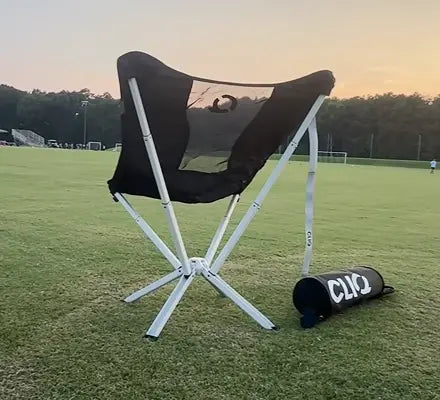
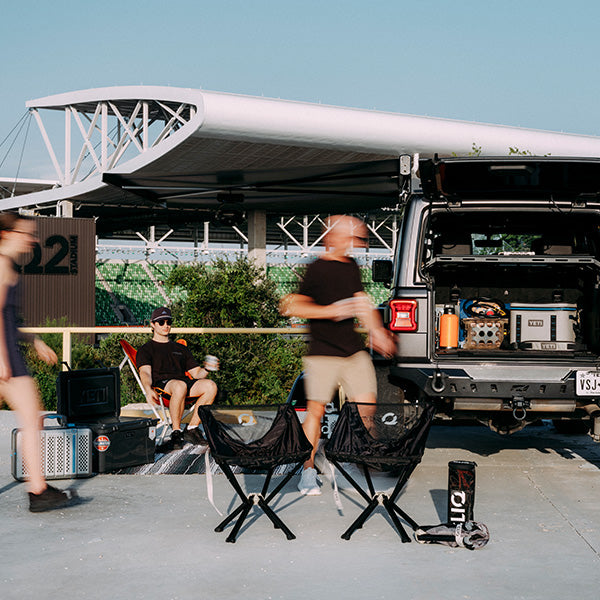
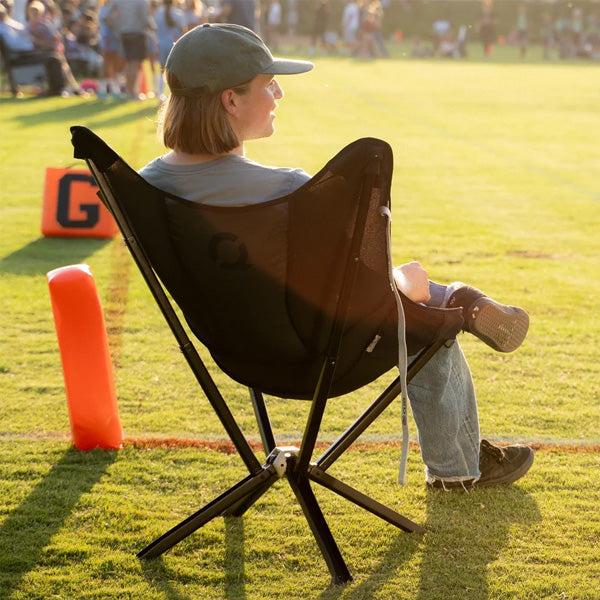
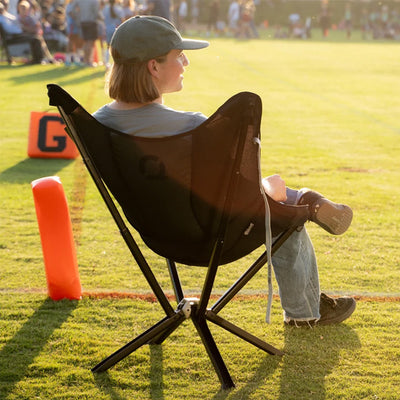
Outdoor concerts, sporting events, and community gatherings all come with a familiar challenge: seating. Bring your own lightweight solution and transform any patch of earth into front-row comfort. Its portability means you’ll always have the best seat in the house, no matter where the action happens.
At The Beach Or Picnic: Instant Relaxation Anywhere
Skip the bulky loungers and bring your compact chair to the shoreline or picnic area. Set up in seconds and enjoy watching the waves, reading, or sharing a meal—all without getting sand in unwanted places. Its ease of transport means you’ll never have to leave comfort behind, even at the lightest of outings.
While Traveling: Adventure Without Limits
From spontaneous road trips to flights across continents, keeping a lightweight camping chair in your car trunk or carry-on opens the door to comfort wherever you roam. Whether you’re pausing roadside for a snack or catching a sunset in a new city, having your own seat ready at all times unlocks true freedom to explore.
When juggling gear, chasing daylight, or setting up camp with kids in tow, your chair should be the easiest part of your setup. That’s precisely what CLIQ delivers. Our chairs are built for real-life adventurers who don’t have time to wrestle with clunky frames or confusing instructions. Here’s how setup and takedown work — no fuss, no guesswork:
Setting Up Your CLIQ Lightweight Camping Chair:
- Unpack Your Chair: Carefully take your CLIQ chair out of its travel bag if included. Undo the velcro strap securing the chair.
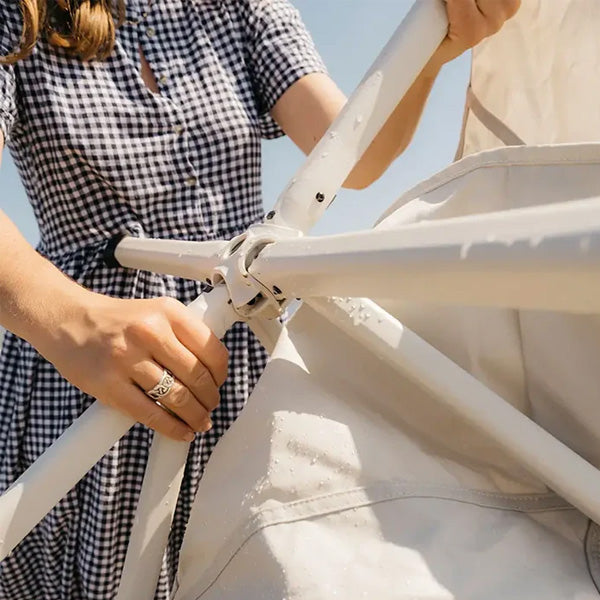
- Unfold The Legs: Unfold the legs and invert the chair until the button on the MAGIQ™ Hub clicks into place.
- Extend The Front Arms: Starting with the two front arms, which are shorter and only click once, extend each arm to its full length.
- Extend The Back Arms: Next, extend and click each back arm to its full length with a second click. If you’ve heard seven clicks total, you’re ready to sit back and enjoy the day in comfort!
- Adjust The Headrest: For models with recliner adjustability, such as the EpiQ Lounge, adjust the headrest by pulling on the straps.
- Enjoy Your Seat: Once your chair is set up, sit down, lean back, and relax in the comfort and support of your CLIQ chair — whether at the beach, in your backyard, or enjoying any outdoor setting, your chair is ready for you to enjoy.
Packing Up Your CLIQ Chair:
Packing up is just as hassle-free. Here are some tips on how to quickly fold down your CLIQ chair for storage:
- Collapse The Arms of the chair by pressing the release buttons.
- Invert The Chair and press the center button on the MAGIQ™ Hub design.
- Use The Velcro to secure your chair.
- Pack It Away using a carrying case, so that you can pack your chair into a car trunk, a closet, and more.
Tips For Choosing The Right Camping Chair
Selecting the ideal lightweight camping chair can elevate your outdoor experience from ordinary to exceptional. A dependable chair isn’t just about a place to rest—it’s a cornerstone of comfort after a day of adventure. Here are the core considerations every adventurer should keep in mind.
Weight Versus Durability
One of the main advantages of a lightweight camping chair is portability. But striking a balance is crucial: the lightest model isn’t always the most durable. Assess the materials—look for aircraft-grade aluminum frames and robust, ripstop fabrics. This ensures your chair handles rugged use without adding unnecessary ounces to your pack.
Compactness And Packability
Outdoor adventures often have tight packing constraints. Assess the chair’s packed size. Does it collapse down to the size of a water bottle, or does it require its own compartment? Chairs that fold into ultra-compact shapes make transport easy whether you’re hiking deep into the backcountry or simply heading to a local park.
Ease Of Setup
After a long trek, no one wants to wrestle with awkward, overly complex gear. Evaluate how quickly the chair can go from packed to ready for use. Innovative hub technologies and simple, intuitive assembly are hallmarks of user-friendly seating solutions.
Comfort Features
A lightweight chair shouldn’t compromise on comfort. Consider seat height, back support, and ergonomic design. Look for features like breathable fabrics, contoured frames, and steady bases to ensure your resting spot is more than just functional—it’s also a respite.
Weight Capacity And Stability
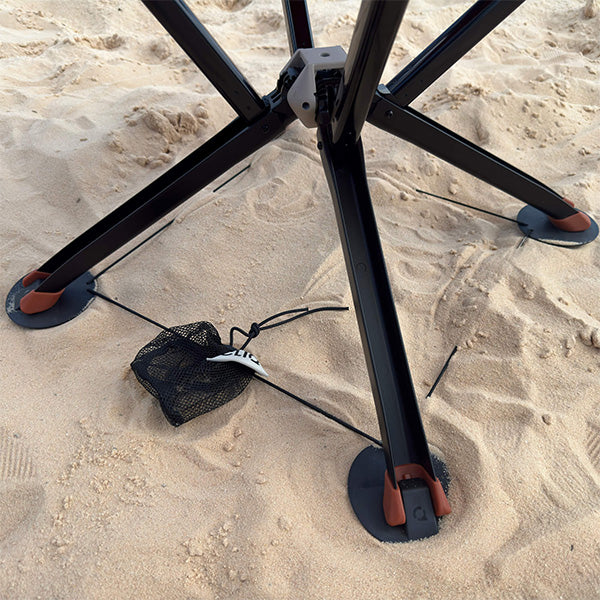
Check the maximum weight rating and the chair’s stability on different terrains. Even lightweight models can offer robust support, but you’ll want to be confident that the chair stands firm on gravel riverbanks and forest floors.
By weighing these factors, you'll be better equipped to choose a camping chair that complements your adventurous spirit and meets the demands of your excursions.
Maintenance And Care Tips For Your Lightweight Camping Chair
A little strategic maintenance is essential to keep it performing at its best trip after trip. Here’s how to ensure your chair lasts so you can focus on adventure, not repairs.
Regular Cleaning Matters
After each outing, shake off dirt, sand, or debris from the frame and seat fabric. Use a damp cloth with mild soap to wipe down surfaces, especially after exposure to mud, seawater, or food spills. Avoid harsh chemicals—they can degrade both fabric and frame over time.
Dry Before Packing
Moisture is the enemy of longevity. Always let your chair dry completely before packing it away. Whether it’s morning dew or a surprise rain shower, storing your chair while wet can lead to mildew, unpleasant odors, and eventual material breakdown. Air dry your chair in a shaded spot to avoid UV damage.
Inspect For Wear And Tear
Before and after your adventure, check quickly for snags, loose stitching, or cracks in the frame. Catching minor issues early makes repairs easier and ensures safety. Pay special attention to moving parts and load-bearing points—these are the most likely to experience stress.
Store Smart, Not Just Small
While the compact design encourages stashing your camping chair anywhere, long-term storage in a calm, dry environment is key. Don’t leave your chair in the trunk for weeks or in direct sunlight for extended periods, as extreme temperatures and UV rays can degrade materials.
Lubricate Moving Parts
If your chair features folding or locking mechanisms, periodic lubrication with a silicone-based spray can keep movement smooth and prevent rust. Wipe away any excess lubricant to avoid attracting dust and debris.
Transitioning from care tips to the essential features that define a great lightweight camping chair leads naturally into the next section of this guide: what to look for when choosing your ideal seat for adventure.
Read Also: